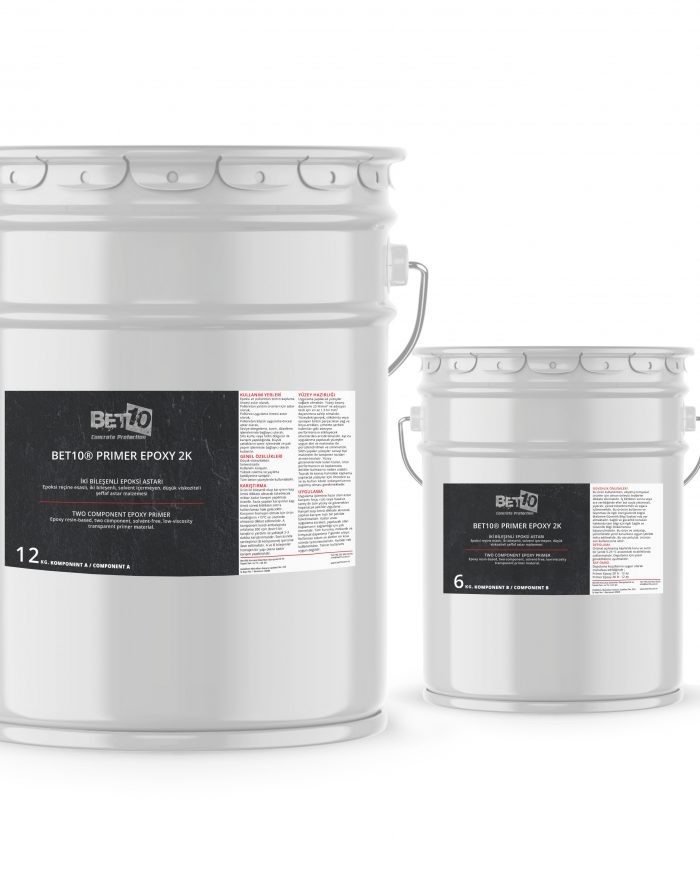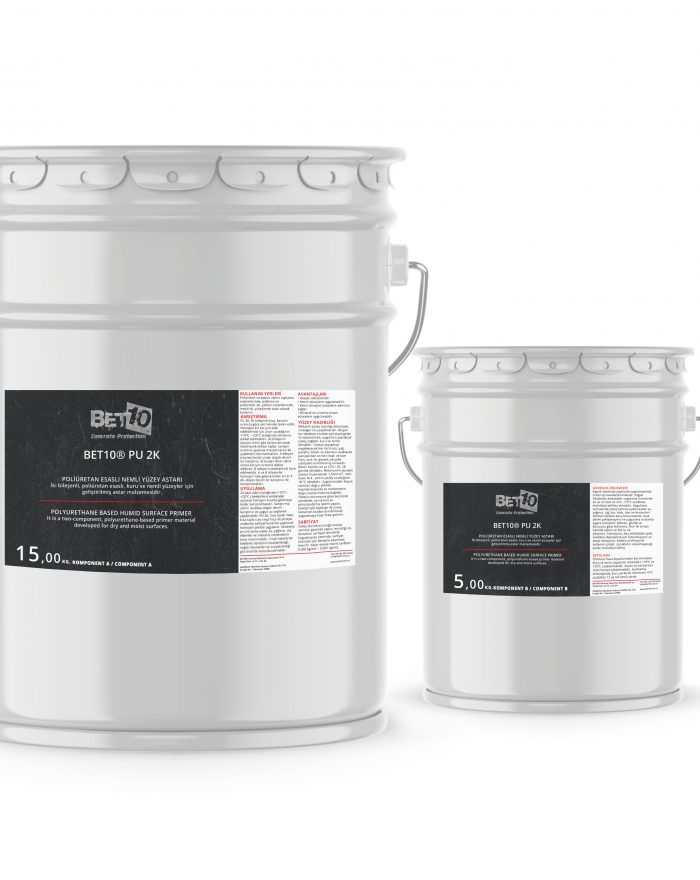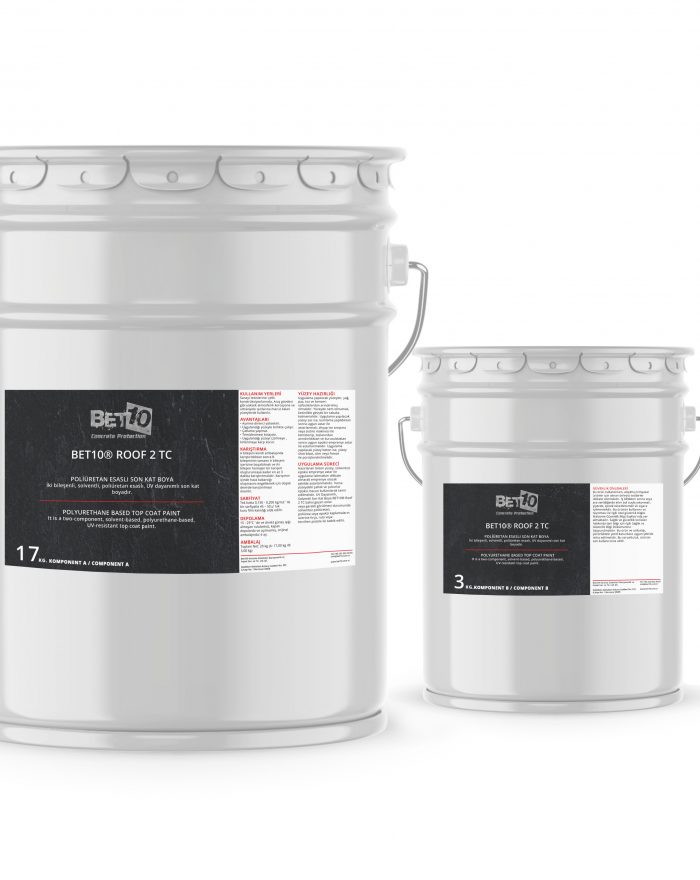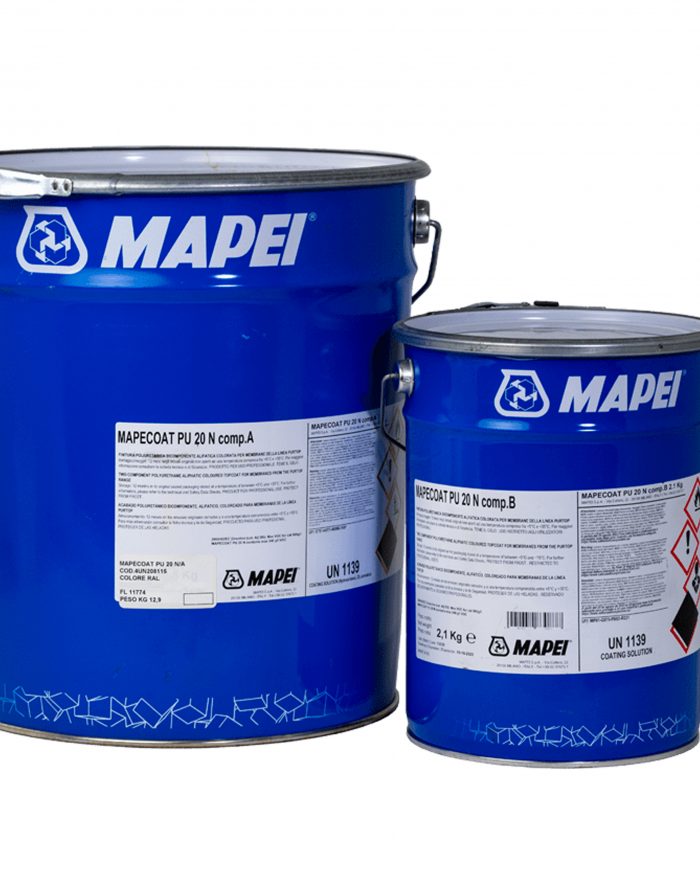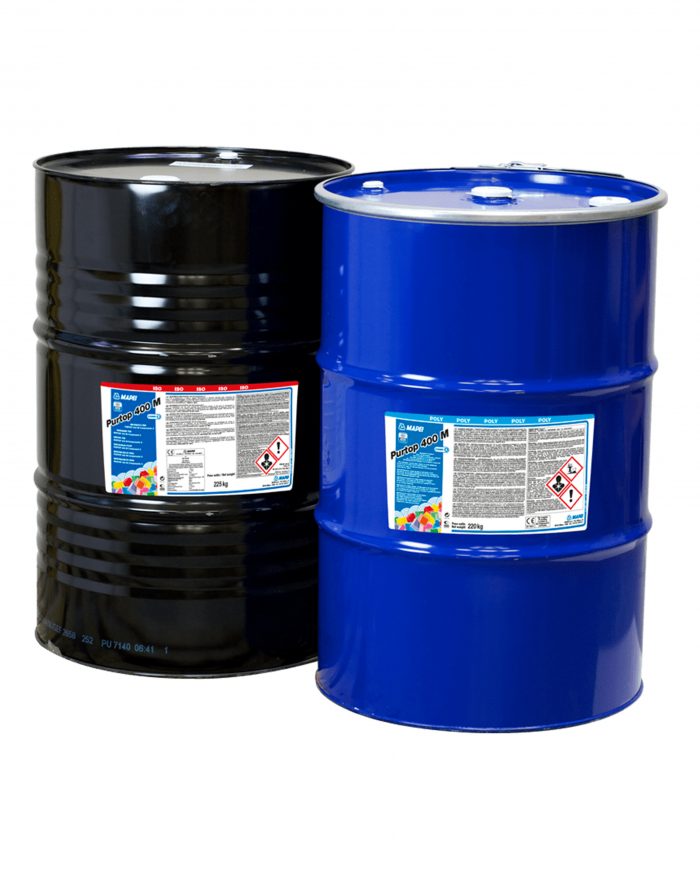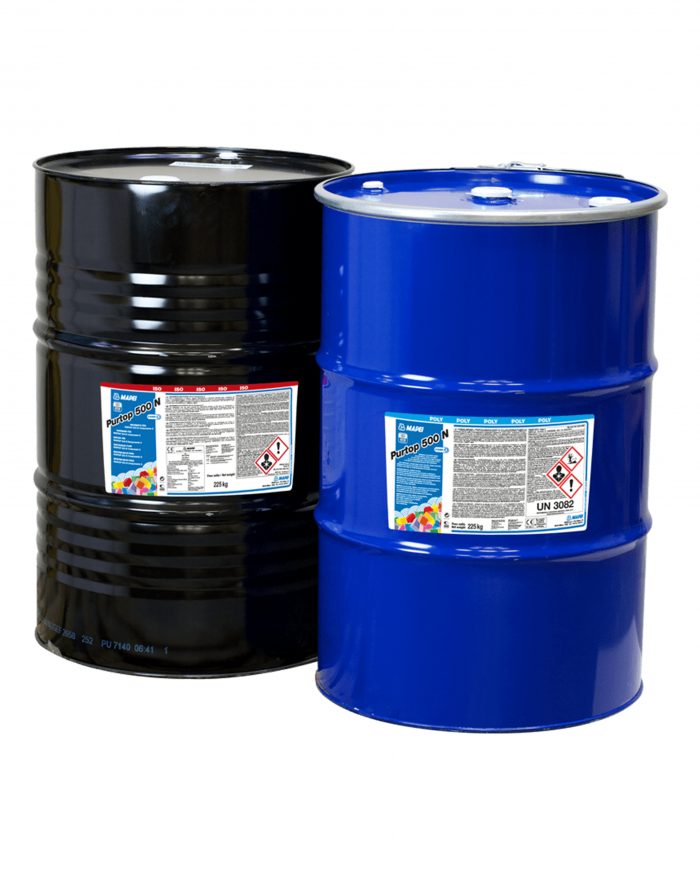
BET10® Waterproofing and Durability Systems offers services with products suitable for all your needs. Our product range includes hybrid polyurea, pure polyurea, final coat UV paint, and many insulation and coating materials.
Our expert team guides you in making the right product selections and applying appropriate methods to achieve top-notch results. At the same time, considering your budget, we provide our customers with high-quality insulation materials at affordable prices.
Translation into English and German: BET10® Waterproofing and Durability Systems offers you services with products suitable for all your needs. Our product range includes hybrid polyurea, pure polyurea, final coat UV paint, and many insulation and coating materials.
Our experienced team guides you in making the right product selections and applying appropriate methods to achieve top-notch results. At the same time, considering your budget, we provide our customers with high-quality insulation materials at affordable prices.

Insulation and coating applications play a critical role in increasing the durability and lifespan of structures. Therefore, accurate product selection and appropriate application methods are crucial. With BET10® Waterproofing and Durability Solutions, we provide our customers with high-quality insulation materials, and our experienced team ensures superior service through accurate product selections and proper application methods. By trusting us, you can maximize the insulation and durability of your structures.




To Protect Your Structures from Water and Moisture with High-Quality Products
BET10 Protection Systems, with over 15 years of knowledge, skills, and experience in the construction sector, began its commercial activities in Izmir in 2018, becoming a leading company in its region. It continues to operate from its central office in Bornova Naldöken, with a storage area of 3000 m².
The company offers a wide range of application and material sales services, including foundation, curtain, and roof waterproofing applications, polyurethane injection, green roof systems, negative waterproofing, industrial and decorative floor coatings, thermal insulation, and final layer facade coatings.
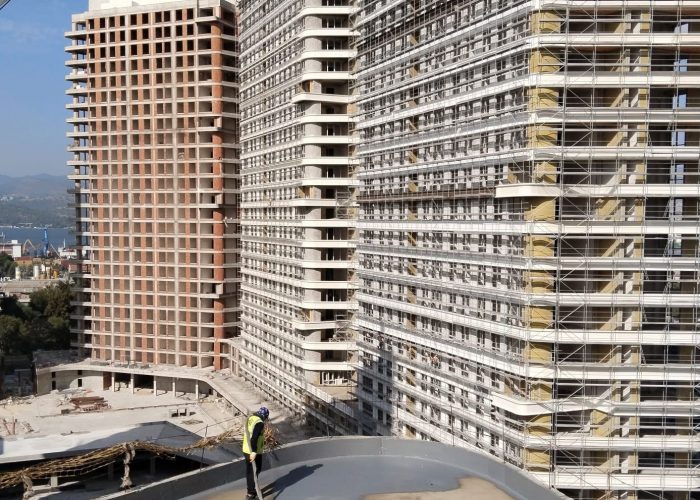
With its expert team of architects and engineers, BET10 Protection Systems successfully undertakes projects in various fields such as residential, energy, healthcare, industrial facilities, and public structures. By providing high-quality and optimal solutions tailored to the nature of spaces, the company earns the trust and satisfaction of its partners.
BET10 Protection Systems continues its operations as an effective supplier and implementer to its partners with leading manufacturer dealership of construction chemicals in the industry and high-quality imported products.

İzmir yapı güçlendirme Karbon kumaş ile güçlendirme Yapı onarımı Kompozit yapı güçlendirme Beton güçlendirme Çelik güçlendirme Hasarlı yapı onarımı Dış cephe güçlendirme Su yalıtımı Yangın güçlendirme Deprem güçlendirme Betonarme güçlendirme Polimer güçlendirme Yapısal onarım Endüstriyel yapı güçlendirme Bina güçlendirme Karbon fiber takviyeli polimerler Yapısal mühendislik Mimari tasarım Yapı denetimi Yapı malzemeleri Güvenlik sistemleri İş güvenliği Yük testleri Mühendislik çözümleri Proje yönetimi Yerinde üretim Yerinde uygulama Yüksek mukavemetli malzemeler Yapısal hasar tespiti CFRP FRP izmir yapı malzemesi izmir yapı kimyasalları remmers baumex kalekim draco duratek hilti, fischer, weber, basf sika, ab-schomburg, epoksi, epoxy, ucrete mf, hf, purcem, flowcrete, johnlord, shıngle,zemin kaplaması, pvc,tpo, fpo, karbon, carbon,yapı güçlendirme, su yalıtımı, bentonit, mineralplus, taşyünü, camyünü, bitümlü membran, osb, alçıpan, drenaj, hdpe, swell, fireproof, btm, mardav, panetti, antiasit seramik, eps, xps, sututucu bant, pah bandı, dilatasyon, sikaproof, tamir haçları, grout, np1, poliüretan mastik, iş güvenliği malzemeleri, spor zemin, dualproof, kaplaması, poliurea, polyurea, poliüretan, enjeksiyon, çimento esaslı, yangın, yalıtımı, yalteks, ankara, istanbul, adana, antalya, bursa, manisa, aydın, balıkesir, bodrum, muğla, çanakkale, konya, izmit, bayraklı, turkiye,çimento esaslı,binder,latex,delme,kesme,beton,su deposu,arıtma tesisi,temel yalıtmı,bitümlü membran,çatı yalıtımı, carlise,firestone,tpo,soprema,ardex,k80,dekoratif kapala,duvar,zemin,endüstriyel, mapeproof preprufe, sikaproof, proof membran hdpe membran 1.2 mm hdpe membran bitüm proof membran ege bölgesi izmir istanbul ankara
Polyurea coating technology is a more modern and advanced application method compared to traditional waterproofing and protective coating methods.
This coating relies on the reaction of an isocyanate component with an amine mixture. The isocyanate can be of aromatic or aliphatic composition. This reaction occurs extremely rapidly and is completed in just a few seconds, so it requires specialized application teams and the use of special mixing and application equipment.
Polyurea coatings are commonly used on surfaces such as concrete and steel to effectively prevent corrosion and wear. The application areas are quite diverse, including roads, bridges, parking lots, industrial surfaces, pipes, roofs, commercial vehicle coatings, and even pools and drinking water tanks.
Polyurea types are as follows:
Polyurea derived from aromatic diisocyanates is distinguished by its sensitivity to UV light. Aromatic Polyurea coatings can cause color changes on the surface by reacting to UV radiation. Especially in visually important applications, aliphatic Polyurea should be preferred. Exposure to sunlight or artificial UV light can alter the physical properties of polyurea and cause color changes, especially darkening. Aromatic polyurea may be a cost-effective option but is generally not suitable for topcoat applications; it is often used only as a base coat.
Polyureas derived from aliphatic diisocyanates can resist color changes due to exposure to sunlight and can maintain their physical properties even in UV conditions. Therefore, they are preferred in outdoor applications as they can enhance aesthetic value by providing a glossy appearance.
Pure polyurea is a material consisting of amine resin and isocyanate. It cures very quickly and is insensitive to moisture, performing its waterproofing function to the maximum.
Hybrid polyurea is a polyurethane-based material produced to reduce the costs of pure polyurea. It is obtained by duplicating the polyurea by adding the polyol substance to the amine resin part of the polyurea.
Flexible polyurea is a technological coating system applied with a spraying method. Flexible polyurea, which has no limitations in terms of usage areas, is known as a highly preferred type of coating due to its long life and practical preparation.
Polyaspartic polyurea is a coating material with high quality and technical features. It is highly resistant to ultraviolet rays and can be easily and safely applied even in environments with high levels of humidity.
Hybrid-based polyurea products may be more cost-effective compared to pure polyurea products; however, this comes with some disadvantages. Hybrid polyurea is a product that should not be used, especially in areas where the final coating is applied. It is not as durable as pure polyurea.
Polyurea coatings have significant advantages compared to epoxy coatings. Especially in terms of moisture resistance, UV resistance, abrasion resistance, chemical resistance, temperature resistance, and durability, polyurea has a clear superiority. Polyurea is a more flexible material than epoxy, allowing it to move with concrete surfaces without being affected by weight or temperature changes.
Another difference between the two materials is the drying and hardening speed after application. Polyurea coatings cure much faster, especially for garage floor coatings. Bubbles can form during the application of epoxy coatings, which is not aesthetically preferred. Polyurea coatings, on the other hand, have a more professional appearance.
Polyurea garage floor coatings also have a faster installation. While you may need to wait for a few days to use your garage when epoxy is used, Polyurea coatings can be completed in one day.
Another difference in the installation process is the necessity of applying epoxy floors at certain temperatures. Poor weather conditions can make epoxy application difficult. However, the ability of Polyurea systems to be applied in almost any weather conditions provides an advantage in this regard.
First and foremost, Polyurea and Polyurethane are composed of different chemical components. Therefore, Polyurea Insulation is mainly used in floor areas and is recommended for water insulation processes. Polyurethane, also known as foam insulation, can be used for insulation purposes, including heat, water, and sound insulation, thanks to pressurized tubes. Both types of insulation are highly resistant to water and weather conditions. Additionally, they have short drying times after application. They can be used together when necessary.
Poliurea spray waterproofing is a material and application technique used to create a protective coating against water leaks. Poliurea is a two-component material, consisting of isocyanate and resin. These two components are sprayed onto the surface with a spray gun and then quickly harden, creating a durable coating.
Poliurea spray waterproofing offers the following advantages:
Quick Application: Poliurea spray dries and hardens rapidly, allowing for the fast completion of the waterproofing process.
Excellent Waterproofing: Poliurea coating is highly resistant to water, creating an effective barrier against water leaks.
Long-lasting: Poliurea coatings are durable and resistant to various weather conditions.
Crack Resistance: Poliurea coating can fill surface cracks, preventing water from leaking through these cracks.
Flexibility: Poliurea can adapt to the expansion and contraction of the surface, preventing cracking.
Poliurea spray waterproofing is commonly used in areas with water-related issues, such as water tanks, roofs, pools, floor coatings, industrial equipment, and other areas with water permeability concerns. However, professional application of poliurea is essential because it requires the correct mixing ratios and application techniques. Additionally, proper safety measures should be taken, and the process should be carried out in a closed environment as isocyanate vapors can be harmful.
Polyurea application involves a two-component process where isocyanate and resin are applied to the surface with a spray gun. Here are the basic steps of polyurea application:
Surface Preparation: The first step is to prepare the surface to be clean, dry, and properly conditioned. Surface contaminants such as dirt, dust, oil, and other impurities should be removed. If there are cracks or holes on the surface, they should be repaired beforehand.
Protective Measures: During polyurea application, appropriate personal protective equipment, such as protection for the skin, eyes, and respiratory system, should be used. Additionally, the surrounding area of the application site should be properly protected.
Mixing Components: Polyurea is prepared by mixing two components, isocyanate and resin. Mixing ratios may vary depending on the product used and manufacturer instructions.
Spray Application: The mixture is sprayed onto the surface using a specialized polyurea spray gun. The spray gun rapidly mixes the components and facilitates the spraying process. During application, consistent gun movements are necessary to achieve an even coating.
Drying and Hardening: Polyurea quickly hardens and dries. The drying time may vary depending on environmental conditions and application thickness but is generally completed in a short period.
Second Coat Application (Optional): If needed, a second layer of polyurea can be applied. This can provide additional durability and waterproofing.
Final Process and Cleaning: Once the application is complete, equipment and the work area should be thoroughly cleaned. Proper disposal of isocyanate and resin residues is also crucial.
Polyurea application is typically carried out by experienced and licensed professional teams because correct mixing of the material and proper spraying are essential. Additionally, taking appropriate safety measures during the process is vital, as isocyanate vapors can be harmful.